
92.7K
Downloads
254
Episodes
DIA is a global, multidisciplinary, membership association of healthcare professionals that works towards the advancement of lifesaving medicines, therapies, and technologies around the world.
Episodes
Wednesday Jun 10, 2020
Wednesday Jun 10, 2020
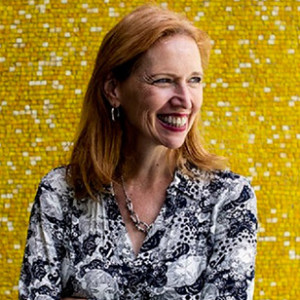
After her stage four metastatic cancer diagnosis in 2011, writer Mary Elizabeth Williams was selected to participate in one of the world’s first immunotherapy clinical trials. Twelve weeks later, she showed a complete response. Williams will explore the clinical trial process in her DIA 2020 Keynote Address. “If we are creating protocols for patients who, like me, are otherwise perfectly healthy and have no comorbidities, you're not in any way serving the people who are the most vulnerable,” she explains. “Look at who is most directly impacted by this virus: It's people who have pre-existing conditions and yet people with pre-existing conditions are routinely shut out of the clinical trial process.”
Monday Jun 08, 2020
Monday Jun 08, 2020
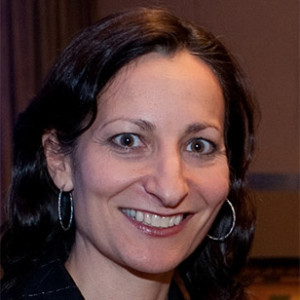
Cures Within Reach (CWR) was founded as a not-for-profit dedicated to repurposing drugs and other treatments to drive more treatments to more patients more quickly. “If you really think about the difference between de novo and drug repurposing, we think it falls into three key areas: the speed, the cost, and the success rate,” explains President and COO Barbara Goodman. “From de novo research, it takes about 13 to 15 years, it can easily take up to two billion dollars, and some would say it's five to ten percent success rate. In the drug repurposing side, it can be significantly shorter in five to eleven years, it can be $300 million, $350 million, with perhaps a 30% success rate. This happens because the safety, toxicity, pharmacology and other related studies are completed from the original indication.”